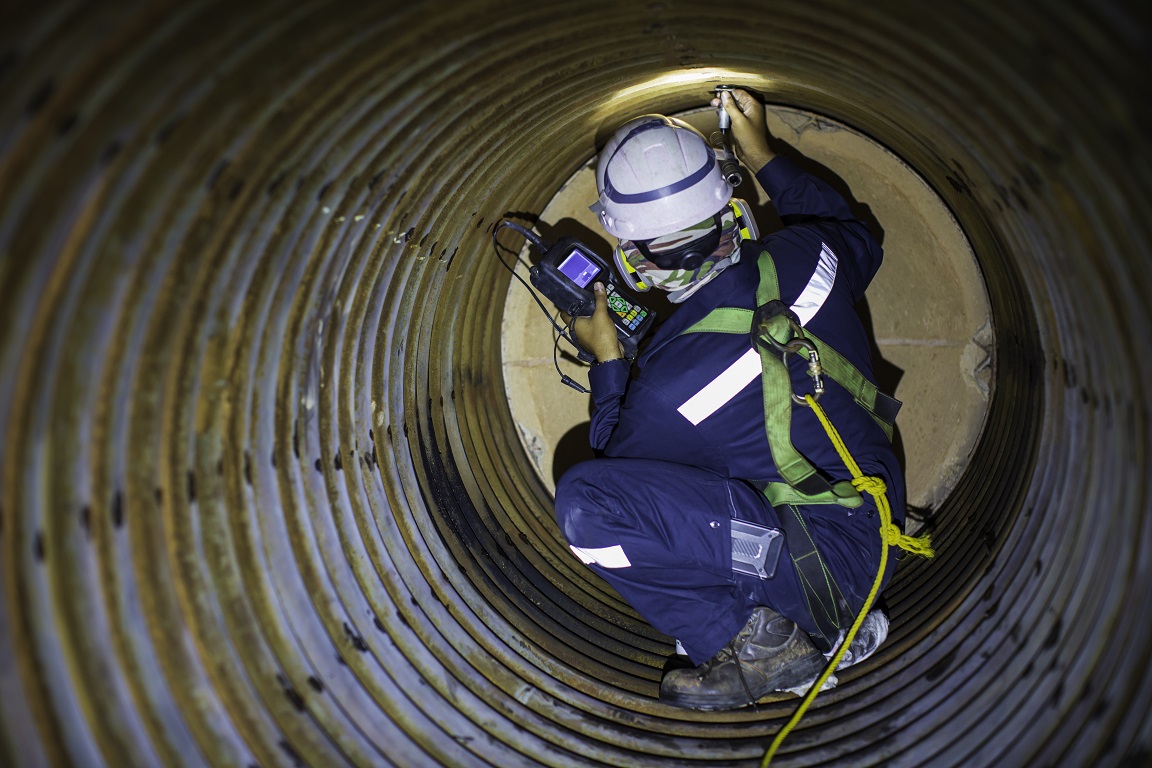
Exploring Confined Spaces: A Guide to Working Safely

Introduction:

Working in confined spaces comes with its own set of hazards, and it’s crucial to understand and address these risks to ensure a safe working environment. This blog will help you grasp the potential dangers, the importance of a confined space entry permit, and the responsibilities of employers to keep workers safe.

Hazards in Confined Spaces

Understanding the Risks:-

Confined spaces can pose various dangers, including:

  • Suffocation: Lack of oxygen can be a serious threat.
  • Fire and Explosion: Flammable gases and vapors can lead to fires and explosions.
  • Poisoning: Exposure to toxic gases, vapors, or fumes can be harmful.
  • Engulfment or Entrapment: Materials like collapsing particles can pose risks.
  • Falling from Heights: Openings and scaffolds can lead to falls.

Confined Space Entry Permit

Ensuring Safety – What it Includes:

A confined space entry permit acts as a formal check before anyone enters a confined space. It should cover:

  • Identification and Location: Knowing where the confined space is.
  • Purpose of Entry: Why someone needs to enter.
  • Entry Details: Date, time, and how long the entry will last.
  • Hazards and Controls: Identifying and managing potential risks.
  • Personal Protective Equipment (PPE): Gear needed for safety.
  • Precautions: Additional safety measures like barricades and signboards.
  • Emergency Plan: What to do in case of an emergency.
  • Confined Space Attendant: The person responsible for safety.
  • Atmospheric Testing Results: Checking the air inside the confined space.
  • Supervisor and Signatures: Names of key people approving the entry.

Employer’s Role – Keeping Workers Safe:

Employer Responsibilities:

As an employer, you must:

  • Evaluate the Need: Decide if entering the confined space is necessary.
  • Ensure Safe Access: Provide safe ways to get in and out.
  • Share Information: Make sure workers know about the confined space’s hazards.
  • Practice Safe Openings: Ensure safe ways to enter the space.
  • Provide Lighting: Make sure there’s enough light inside.
  • Implement Procedures: Establish clear steps for entering, including gas testing.
  • Training: Train workers and supervisors on safe practices.
  • Emergency Plan: Have a plan for rescues and provide necessary equipment.
  • Appoint an Attendant: Designate someone to oversee safety.

Source:

Workplace Safety and Health Council

https://www.tal.sg/wshc/topics/confined-space/working-safely-in-confined-spaces

eversafe

Recent Posts

The Importance of Manual Handling Safety

Manual handling tasks are an integral part of many workplaces, yet they pose significant risks…

1 year ago

Ensuring Hands Tools Safety

Workplace safety is a top priority, especially when it comes to handling hand tools. Whether…

1 year ago

Elevate Workplace Safety with Eversafe Academy’s T3SMO Course for MEWP Operations

Ensuring safe Mobile Elevated Work Platform (MEWP) operations is critical for maintaining workplace safety. Eversafe…

1 year ago

Enhance Your Training Skills with Eversafe Academy’s Experiential Forklift Simulator Operations (T3FSO) Course

For WSH professionals looking to deepen their expertise and enhance their training capabilities, Eversafe Academy…

1 year ago

Ensure Safety and Compliance with Eversafe Academy’s Manage Hazardous Substances (MHS) Course

Managing hazardous substances at the workplace is a critical responsibility that requires specialized knowledge and…

1 year ago

Enhance Your Skills with Eversafe Academy’s Manage Indoor Air Quality (MIAQ) Course

For professionals in workplace safety, occupational hygiene, and building management, maintaining good indoor air quality…

1 year ago