Introduction:
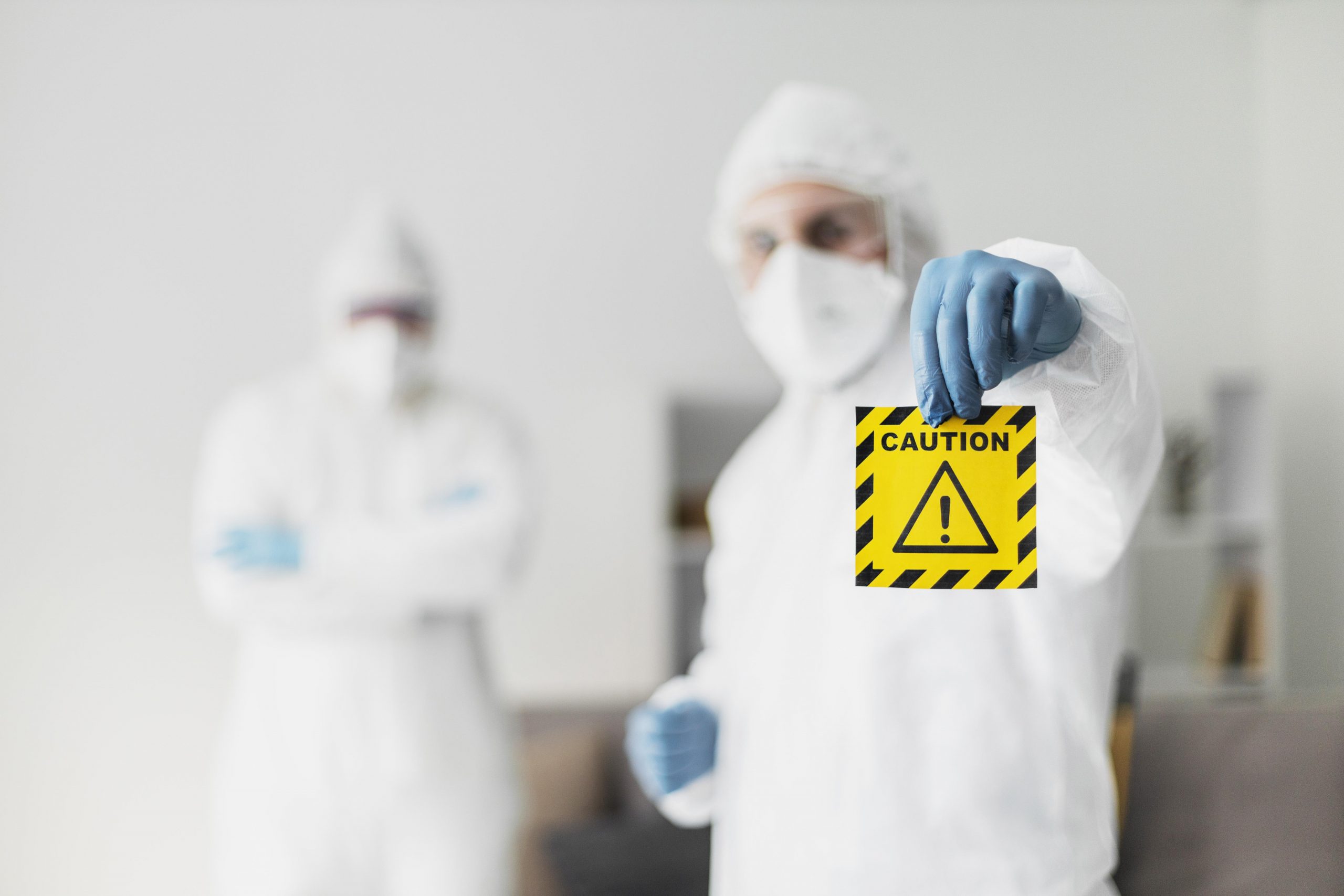
Chemicals are everywhere in our workplaces, making things we use daily like paint, plastics, and medicines. But some chemicals can be dangerous. In this blog, we’ll talk about these hazardous chemicals, what they are, the rules we need to follow, and some important facts and numbers.
Understanding the Dangers:
Chemicals at work can be risky in three ways: they can be harmful to our bodies (health), dangerous in certain conditions (physical), and harm the environment.
Physical Hazard:
Health Hazard:
Environmental Hazard:
Laws and Industry Standards
Following the Rules and Regulations:
If you’re in charge at work, you need to follow some important rules and Regulations in Singapore to keep everyone safe. Here are a few rules to pay attention to:
WSH (Risk Management) Regulations: Managing risks to keep worker safe.
WSH (Medical Examinations) Regulations: Checking people’s health to make sure they’re okay to work.
WSH (Incident Reporting) Regulations: Reporting accidents to learn and prevent them from happening again.
Industry Guidelines:
To make sure we’re doing things safely, we also follow some industry guidelines, like:
Code of Practice on WSH Risk Management
SS 586-1: How to communicate hazards for chemicals and dangerous items during transport and storage.
SS 586-2: How to label and classify chemicals safely.
SS 586-3: How to create safety data sheets for chemicals.
Statistics
Here are some important numbers to know about chemicals at work:
Over 30% of chemical problems happen in the making of things (manufacturing).
Chemicals often cause skin problems at work.
Breathing in and skin contact are the main ways chemicals can affect us.
For the latest numbers, look at the Workplace Safety and Health Reports
Conclusion:
Understanding hazardous chemicals is important for everyone’s safety at work. By following the rules and guidelines, we can make sure our workplaces are safe and healthy. If you have questions, check the latest reports for the newest information on how to stay safe.
Source:
Workplace Safety and Health Council
https://www.tal.sg/wshc/topics/chemicals/about-chemicals
Manual handling tasks are an integral part of many workplaces, yet they pose significant risks…
Workplace safety is a top priority, especially when it comes to handling hand tools. Whether…
Ensuring safe Mobile Elevated Work Platform (MEWP) operations is critical for maintaining workplace safety. Eversafe…
For WSH professionals looking to deepen their expertise and enhance their training capabilities, Eversafe Academy…
Managing hazardous substances at the workplace is a critical responsibility that requires specialized knowledge and…
For professionals in workplace safety, occupational hygiene, and building management, maintaining good indoor air quality…